Independent consent
Duress and undue influence. The effect was voidable. The remedy was rescission.
LAW0115 · Contract law
Andy is 14. He paid that price for Furby, and he wants to keep the cat.
His parents want the money back.
Part AConsent, then remedyPart BCapacity, then remedy
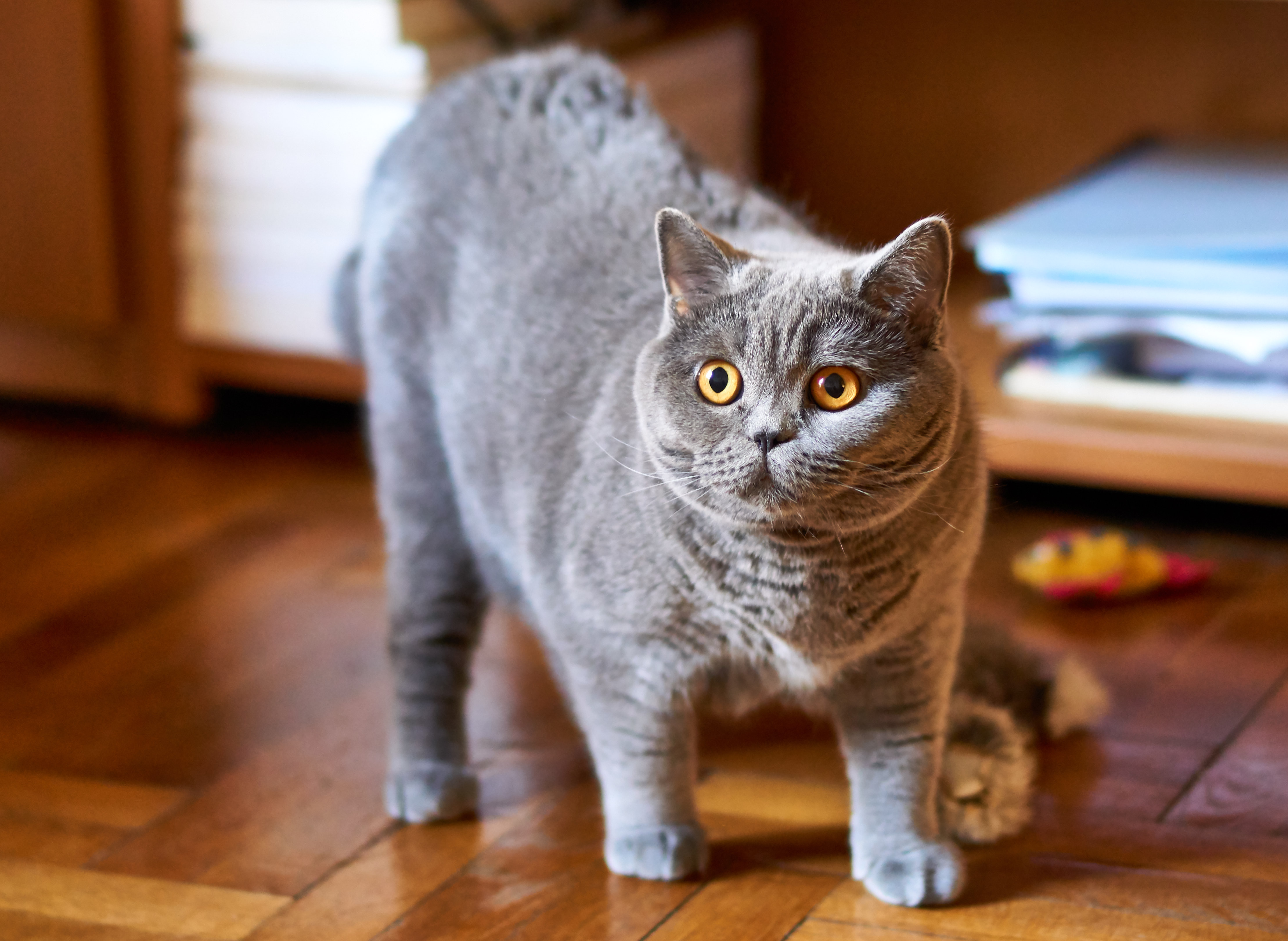
Illustrative photograph
Not the actual Furby
第 1 位。从这里讲到第 4 页,大约四分钟。
Good morning. The question on the screen is the one Andy’s parents are really asking. Can they recover S$1,888?
Andy is 14. He bought a cat called Furby from Pure Kitty and paid the full price. He wants to keep Furby. His parents want the money back. It is tempting to treat those two sentences as the whole case. He is a minor, so the contract is void, so the price comes back.
We are not going to start with that answer. A defect in a contract has to be identified before anyone can say what it does. And what it does is not the same thing as the remedy. We are going to leave three questions open until the facts and the rules have been applied. Was this particular purchase a necessary? Can the completed sale be cancelled only because Andy is a minor? Can the full price be recovered?
Part A is where we learn the order of those steps, using duress and undue influence. Part B turns the same order onto contractual capacity. The three lines on the left stay unanswered until we have earned them.
The order we keep
Effect and remedy are different steps. A rule can stop enforcement without returning what has already been paid.
Every time we meet a possible defect, we take the steps in this order. First we identify the issue. Second we determine its legal effect. Only then do we consider the remedy.
The separation matters. A contract can be voidable, or unenforceable against a minor, while the money already paid still stays where it is. Stopping enforcement is not the same act as undoing a completed exchange, and neither of those is the same act as ordering a refund.
We use this order once for independent consent. We then use it again for Andy. If the room remembers only one sentence from the presentation, it should be this order.
Part A · Vitiating factors
A defect can undermine a contract even where offer, acceptance, consideration and intention appear to be present.
Some affect capacity or the freedom to consent. Others concern content or legal purpose. In Part A we stay with duress and undue influence. Incapacity waits until Part B.
Offer & acceptance
Consideration
Intention
Independent consent?A vitiating factor is a legal defect. It can matter even where the contract looks complete: offer, acceptance, consideration, and an intention to create legal relations.
The list is not one doctrine. It includes incapacity, misrepresentation, duress, undue influence, mistake and illegality. Some of these affect a party’s capacity, or the freedom to consent. Others concern what was agreed, or whether the agreement has a lawful purpose. Their effects are not the same.
In Part A our issue is independent consent, so we identify duress and undue influence. Incapacity is on this list, and it will matter to Andy, but it is a different issue. We do not apply it until we have finished the consent doctrines. Step one, on the rail, is the step we are on.
Part A · Legal effect
Void
No legal effect from the outset.
There is no binding contract to undo later.
Voidable
Binding unless and until the entitled party validly rescinds it.
That party may instead affirm the contract.
≠
Before the elements of either doctrine, we fix the effect. These two words are easy to collapse, and the rest of the talk depends on keeping them apart.
A void contract has no legal effect from the outset. There is nothing to affirm and nothing that needs to be rescinded. A voidable contract remains binding unless and until the person entitled to rescind actually does so. That person may instead affirm.
Duress and undue influence generally make a contract voidable. They do not automatically make it void. So a consent defect may create a right to undo a transaction. It does not erase the contract from the beginning. We will need the same care when the defect is Andy’s age, rather than pressure.
Part A · Duress
Duress is illegitimate pressure that induces the agreement. It may concern the person, property, or economic interests.
Financial difficulty or hard bargaining is not enough.
Protest, practical alternatives and independent advice inform the answer.
E C Investment v Ridout Residence
[2010] SGHC 270, [44]–[52], separates economic duress from ordinary commercial pressure. On those facts, the duress claim failed.
Affirmation after the pressure ends can defeat the right to rescind.
第 2 位。从胁迫讲到撤销,大约到第 8 分钟。
Duress is our first identified issue. It is illegitimate pressure that induces a person to agree. The pressure may be directed at the person, at property, or at economic interests.
E C Investment Holding against Ridout Residence is useful because the High Court separated economic duress from ordinary commercial pressure. Two questions follow from that distinction. Was the pressure illegitimate? Financial difficulty, or hard bargaining, does not by itself answer yes. And did that pressure cause an agreement that would not otherwise have been made on those terms? Protest, the practical alternatives open to the person, and whether independent advice was taken, all help a court judge causation.
The case is the test, not a story of success. The duress claim in E C Investment failed. Where duress is established, the contract is voidable. The affected party may rescind. If the pressure later ends and that party affirms, the right to rescind can be lost.
Part A · Undue influence
Actual
01Capacity to influence
02The influence was exercised
03The exercise was improper
04It caused the transaction
Presumed
01A relationship of trust and confidence
02A transaction calling for explanation
03The presumption can be rebutted
BOM v BOK [2018] SGCA 83. The transaction was set aside for actual undue influence. It was not treated as void from the outset.
Undue influence is the second consent issue. It is improper influence that undermines an independent decision. It is not duress under another name. No threat is required.
Actual undue influence has to be proved. One party had the capacity to influence the other. The influence was exercised. The exercise was improper. And it caused the transaction. All four matter. A relationship by itself is not the doctrine.
Presumed undue influence works differently. It requires an appropriate relationship of trust and confidence, and a transaction that calls for explanation. Those facts raise a presumption. Evidence of an independent decision can rebut it.
In BOM against BOK, the Court of Appeal upheld setting the transaction aside for actual undue influence. The remedy was rescission. The court did not treat the transaction as void from the outset. That is the same effect we have already stated: voidable, with a right to seek rescission and the restitution that follows.
Part A · Remedy
Affirmation after the pressure ends can defeat rescission.
Damages compensate for loss. They do not undo the transaction.
This is step three. The remedy for duress or undue influence is rescission. The affected party may ask the court to undo the transaction. Both sides then restore money, property or benefits, so far as that is possible. Rescission is not a one-way refund.
The entitled party does not have to rescind. Affirmation is the other choice, and affirmation after the pressure has ended can defeat the right. Damages sit somewhere else entirely. They compensate for loss. They do not put the parties back where they stood.
Part A therefore closes on a limit we will need in Part B. Identifying a defect, and even deciding that a contract is voidable, still leaves the remedy to be justified on its own terms.
From consent to capacity
Minority does not automatically mean a void contract, and it does not automatically mean a refund.
Duress and undue influence. The effect was voidable. The remedy was rescission.
Andy is 14. We identify that issue before we talk about his parents’ money.
第 3 位。从过桥讲到适用哪条例外,大约到第 12 分钟。
Same method. Different issue. Part A was independent consent. The effect of duress and undue influence was that the contract became voidable, and the remedy to consider was rescission.
Part B is contractual capacity. Andy is 14. That is the issue we identify now. We do not start from his parents’ wish to be repaid. We ask what minority does to a contract, and only then whether this sale can be cancelled or the price recovered.
The three answers along the bottom are the parents’ question, split apart. All three are still open. One limit is already on the screen, carried over from the method. Minority does not automatically produce a void contract, and it does not automatically produce a refund.
Furby.Illustrative photograph · not the actual cat
Part B · The facts we apply
S$800 a monthPocket money
S$2,000 moreAdditional allowance
Four weeksParents away
AnxietyAlready present before the purchase
Andy wants to keep Furby.
His parents want the money back.
These are the facts we are willing to use. Andy was 14. The price was S$1,888, paid to Pure Kitty for Furby. He receives S$800 a month in pocket money and an additional allowance of S$2,000. His parents were away for four weeks. The anxiety existed before the purchase, not only after it.
Two wishes now sit on the same transaction, and they stay there until the end. Andy wants to keep Furby. His parents want the money back. The parents are asking for a remedy, but they are not the parties to the contract. Anything claimed on Andy’s behalf has to be a right Andy himself has. Wanting the money, and being the person who can ask for it, are not the same.
Part B · Capacity
14
Below 18. Civil Law Act, s 35, gives adult effect from that age, with exceptions for specified land and trusts. Sale of Goods Act, s 3, applies the capacity rules to sales.
This sale is not a service contract, and it is not a continuing contract. Future pet care is not performance owed to Pure Kitty.
The relevant exception is necessaries.Contractual capacity is the legal ability to enter a binding contract. The law protects minors because they may lack the maturity and experience to look after their own interests. The general position is that their contracts are unenforceable against them. That is already a narrower statement than “void”.
The protection has exceptions, because minors also need to obtain essential goods and to earn a living. Necessaries must suit the minor’s circumstances and actual needs. A contract of service, education or training may bind the minor if it is beneficial overall. Certain continuing contracts, including leases, partnerships and share subscriptions, bind unless the minor repudiates them.
Section 35 of the Civil Law Act generally gives contracts made from the age of 18 the effect they would have for an adult, subject to exceptions, including some land and trust transactions under section 35(4). Section 3(1) of the Sale of Goods Act carries the general capacity rules into sales. Andy is 14, so he remains protected.
Which exception could this sale be? It is not a beneficial contract of service. It is not a continuing contract of the kind just mentioned. Looking after Furby in the future is not contractual performance owed to Pure Kitty. The exception that has to be tested is necessaries. The first answer on the rail is now the live one. It is not yet filled in.
Part B · Necessaries
Goods suitable to the minor’s condition in life. Peters v Fleming: necessaries go beyond bare subsistence.
Needed at the time of sale and delivery. Nash v Inman: enough clothing already meant no liability.
The supplier must prove both. If the goods qualify, the minor owes a reasonable price. That price is a further question.
第 4 位。从两个检验讲到价格,大约到第 15 分半。
Section 3(3) defines necessaries as goods suitable to the minor’s condition in life, and to his actual requirements at the time of sale and delivery. Both limbs are required.
Peters v Fleming shows that the first limb reaches beyond food and other bare subsistence. A cat is not excluded merely because Andy could survive without one. Nash v Inman shows the second limb doing the real work. The minor already had a sufficient supply of clothing, and the supplier failed. There was no liability.
The burden sits on the supplier. Pure Kitty has to establish suitability and actual need. If, and only if, the goods qualify, section 3(2) requires the minor to pay a reasonable price. We will not use the price to answer the need, or the need to answer the price.
The first box is now open as a test. The other two stay untouched.
Part B · Applying both tests
Pure Kitty has a credible argument
Justin’s recommendation is relevant, not conclusive. The statute does not require professional advice. No other pet is not enough by itself.
The parents’ strongest argument is scope
Peters cuts the other way as well. Necessaries are not simply the cheapest goods. A cheaper suitable cat cannot be assumed. Affordability goes to suitability, not to actual need.
This is the page that holds both sides at once. Pure Kitty has a credible argument, and it does not reach this particular cat.
On suitability, the private apartment and the allowances support the view that owning a pet can fit Andy’s circumstances. On need, the anxiety existed before the purchase, and four weeks without his parents makes companionship relevant. The improvement in mood and concentration supports an inference that Furby met a need that was already there. Later benefits are evidence. They do not replace proof of the need at the time of sale and delivery. Justin’s recommendation points the same way and does not conclude it. Professional advice could strengthen the evidence. The statute does not require it. The fact that no other pet is mentioned cannot, alone, establish necessity.
The parents’ strongest argument is the scope of the purchase. A need for companionship does not automatically justify this S$1,888 purebred cat. Nothing in the facts states a therapeutic advantage of the pedigree. Andy’s decision, made as soon as he had fallen in love with Furby, reads as preference. The price also used most of the additional allowance that was meant to cover four weeks, with the cost of future care still ahead.
Peters stops a shortcut in the parents’ favour. Necessaries are not defined as the cheapest available goods. We cannot assume that a cheaper cat existed and would have suited Andy. Affordability supports the suitability of pet ownership to his circumstances. It does not prove that he actually required this purchase.
So the first answer is filled in only halfway. The necessaries exception is arguable. Furby’s benefits do not establish it.
Part B · Reasonable price
S$1,888The agreed price is not proof that the price was reasonable.
Comparable prices for similar cats would be the useful evidence. We do not have them.
Andy’s allowance does not stand in for that evidence.
Permission to keep a cat is not contractual capacity. The ownership limit lets him keep Furby. It does not make the contract binding.
Even if a court were satisfied that Furby was a necessary, section 3(2) would still ask a separate question. The minor pays a reasonable price, not automatically the agreed price. S$1,888 is what Andy paid. It is not evidence that the figure was reasonable. Prices paid for similar cats would help. Nothing in the facts supplies them, and Andy’s allowance is not a substitute.
One limit belongs here because it is easily mistaken for capacity. Compliance with the stated limit on cat ownership allows Andy to keep a cat. It says nothing about whether he can be held to the contract.
The rail does not move. Necessary remains arguable. We have not converted doubt about price into a finding that the purchase was, or was not, a necessary.
Part B · Cancellation
Minority alone is no ground to undo the purchase.Liability would be limited to a reasonable price.
Unenforceability protects Andy against enforcement.It still does not, by itself, reverse the completed exchange.
His parents have no independent right to cancel. Andy’s wish to keep Furby is not an election to rescind.
第 5 位。从取消交易讲到三个结论。
The second question is whether the completed sale can be cancelled. The answer depends on which finding comes back on necessaries, and then it mostly does not.
If Furby is a necessary, minority alone gives no ground to undo the purchase. Andy’s liability would be limited to a reasonable price. If the exception is not established, the contract is unenforceable against him. That protection stops Pure Kitty forcing him to perform. It does not, by itself, reverse an exchange that has already been carried out.
There is a further limit on who may ask. Andy’s parents are not contracting parties. Their disapproval does not give them a contractual right of cancellation. A claim made for Andy depends on Andy’s rights. He wants to keep Furby. That wish cannot be redescribed as an election to rescind.
The second answer is therefore unlikely, where the only ground on offer is that Andy is a minor. The refund question is still open, because refusing to undo the contract is not yet a decision about the money.
Part B · Recovery of payment
The agreed performance was the cat, not a promised cure. Andy received companionship and improved concentration. Furby can still be returned, but an offer to return him does not create a repayment right. No contractual refund is stated.
Valentini v Canali distinguishes escaping an outstanding liability from recovering money already paid. Its historical statutory basis is disapplied here by the Minors’ Contracts Act, s 1. The distinction remains.
Minority alone does not establish a restitutionary claim. Another ground is required. The ground that suggests itself is total failure of consideration.
On these facts it is not made out. Pure Kitty delivered Furby. That was the agreed counter-performance. The shop did not promise a therapeutic cure. Andy obtained the cat, and with the cat the companionship and the improvement in concentration described in the facts. There is no total failure.
Furby is still returnable, which distinguishes him from goods that have been used up. Offering to return the cat does not, by itself, create a right to be repaid. No contractual term gives Andy a refund.
Valentini v Canali is the illustration, and it has to be handled carefully. The minor escaped liability for what was still outstanding, but he could not recover the money he had already paid after receiving the furniture. The old statutory basis of that English case is disapplied in Singapore by section 1 of the Minors’ Contracts Act. We do not rely on the repealed basis. We rely on the distinction the case makes visible: avoiding a debt is not the same as recovering a payment.
The third box is now in question. It is not yet closed. The statute on the next page is what people reach for when they want a statutory refund, and it does not give one.
Part B · Minors’ Contracts Act, s 3(1)
Where the contract is unenforceable against the minor, or he repudiates it, because he was a minor, the court may require him to transfer property acquired under it, or property representing it, if that is just and equitable.
Section 3(1) is a discretion, and the direction of the discretion matters. It applies where a contract is unenforceable against the minor, or he repudiates it, because he was a minor when it was made. If it is just and equitable, the court may require the minor to transfer to the other party property he acquired under the contract, or property representing it.
In this case, that could mean an order that Andy return Furby to Pure Kitty. It could not, under this section alone, mean an order that Pure Kitty refund S$1,888. Returning property and recovering a payment need separate legal grounds.
The third answer can now be filled in. A full refund is unlikely on the grounds stated in the problem. The cat was supplied. Neither minority nor section 3 establishes a right to repayment.
Our group’s assessment
Identify the issue. Determine its effect. Then consider the remedy.
These are our conclusions on the stated facts. They are not a judgment.
We can now read the three lines as conclusions, not as headings.
Was this purchase a necessary? It is arguable. Pure Kitty has a real argument from Andy’s circumstances, his existing anxiety, and the four weeks he spent alone. The benefits that followed are consistent with a need. They do not establish that this purebred cat, at this price, was required when he bought it.
Can the sale be cancelled solely because Andy is a minor? That is unlikely. If the necessaries exception holds, minority is no ground for undoing the sale. If it fails, unenforceability still does not automatically reverse a completed exchange. His parents have no independent right, and Andy has not elected to rescind. He wants to keep the cat.
Can the full price be recovered? That is also unlikely. The agreed cat was delivered, so consideration has not totally failed. Section 3 may allow the court to order the cat back to the shop. It does not order the shop to repay Andy.
The order is the one we used for duress and undue influence. Identify the issue. Determine its effect. Then consider the remedy. These are our assessments of a hypothetical set of facts. They are not a court’s judgment. We can take questions on what further evidence would move any of the three answers.
References · Legislation
2020 Rev. Ed., ss 35(1), 35(4).
LECTURE 6s 35(1) and s 35(4): capacity and the stated exceptions.
2020 Rev. Ed., ss 3(1)–3(3).
LECTURE 6ss 3(2) and 3(3): necessaries. Reasonable price in s 3(2) was not covered in the lecture.
OUTSIDE LECTUREs 3(1), applying general capacity rules to sales.
2020 Rev. Ed., ss 1, 3(1).
LECTURE 6s 3(1): return of property.
OUTSIDE LECTUREs 1, disapplying the historical basis of Valentini.
Lecture mappings follow the report and identify the corresponding principles.
Do not read this page unless a question asks where a section came from. Section 3(1) of the Sale of Goods Act, and section 1 of the Minors’ Contracts Act, are the materials outside Lecture 6. Reasonable price is in section 3(2), which the lecture did not cover.
References · Cases and commentary
[2018] SGHC 275, [178]. Future care is not performance owed to the seller.
[2018] SGCA 83, [100]–[107]. Actual undue influence. The transaction was set aside.
[2010] SGHC 270, [44]–[52]. The duress claim failed on the facts.
[1908] 2 KB 1. The supplier must prove actual need.
(1840) 6 M & W 42. Necessaries are not confined to the cheapest goods.
(1889) 24 QBD 166. Avoiding liability is not recovering payment.
Singapore Law Watch (2018). Rescission, and total failure of consideration.
Better proof of need at the time of purchase, comparable prices, or a separate right to repayment.
Photograph: George E. Koronaios, A British Shorthair grey cat with yellow eyes, CC BY-SA 4.0. Cropped for layout. Illustrative only. Source report: LAW0115_CA2_Final.docx, version 7.
Leave this page for questions. If someone asks what would change the conclusion, the honest answer is on the last card: better evidence that this cat was required at the time of purchase, comparable prices, or some refund entitlement the facts do not currently state.
横屏观看更清楚
点击画面或「下一页」翻页